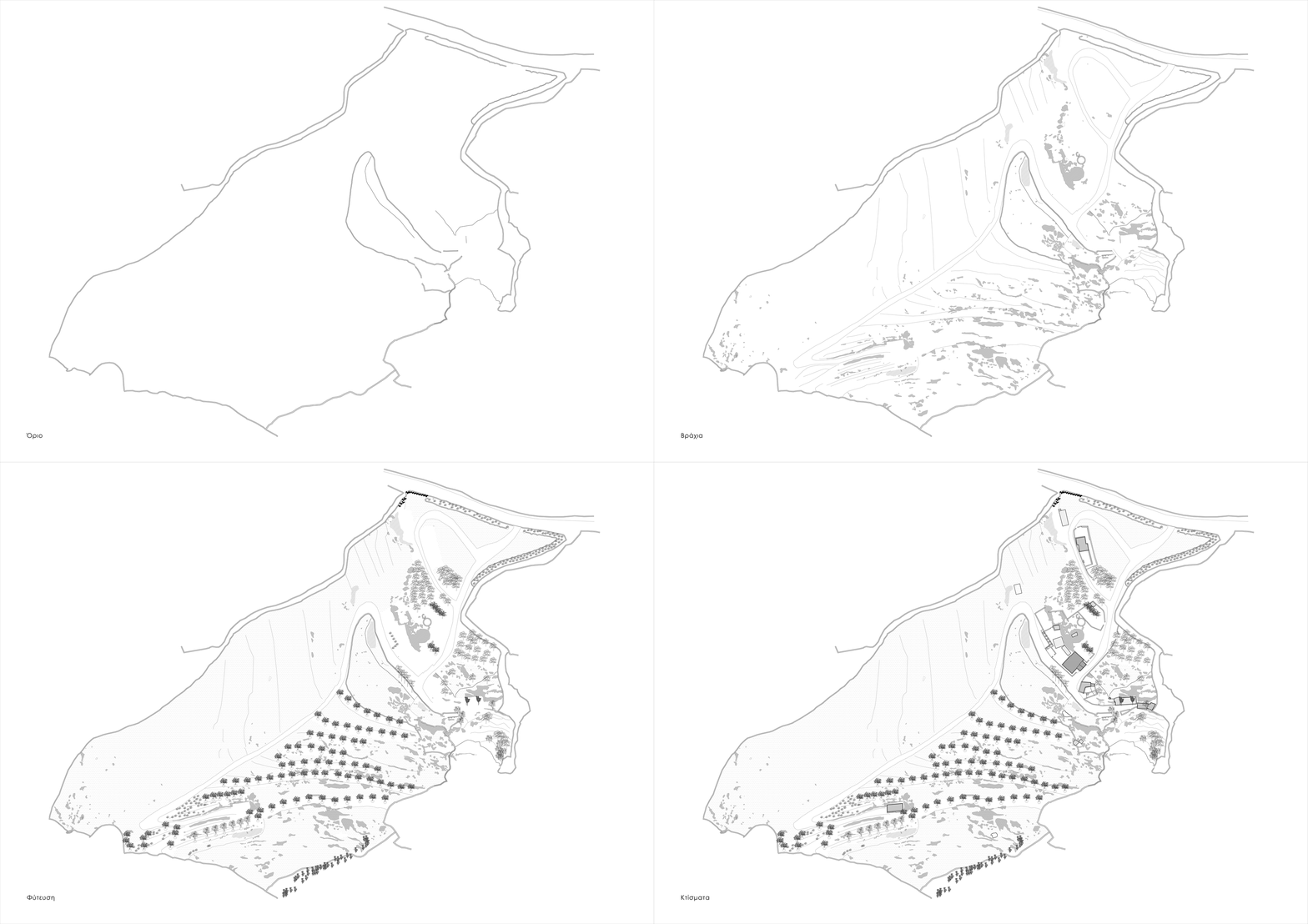
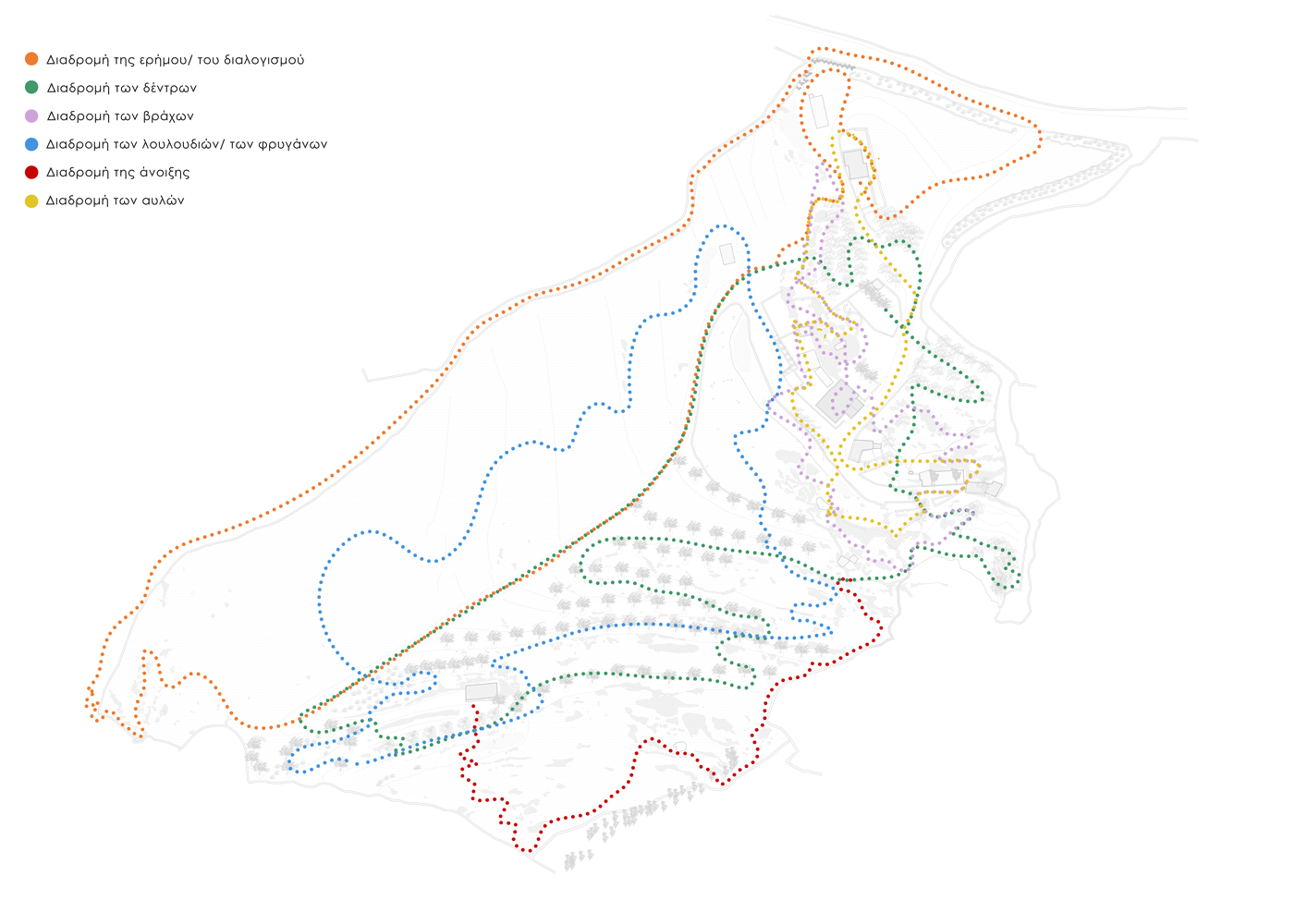
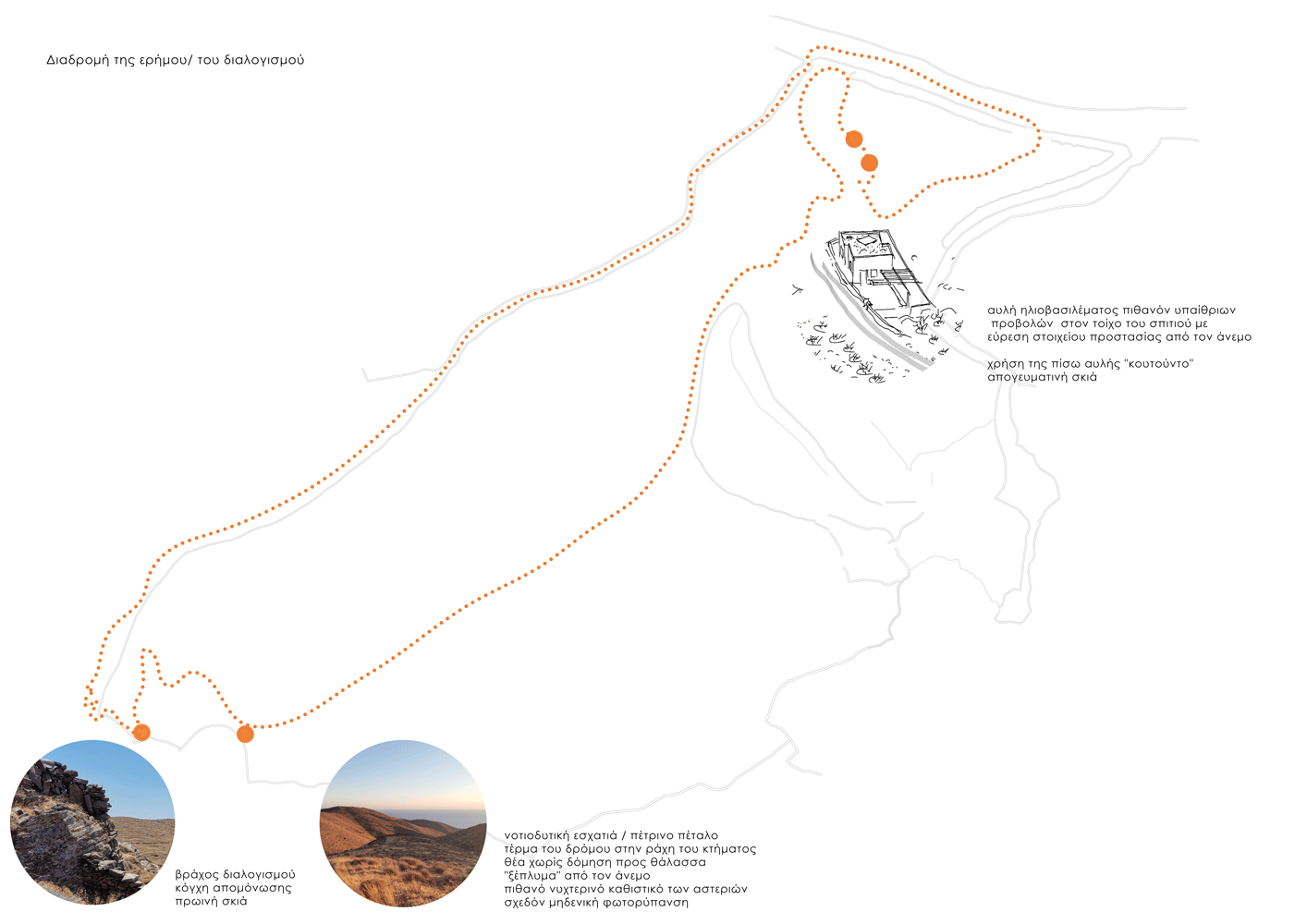
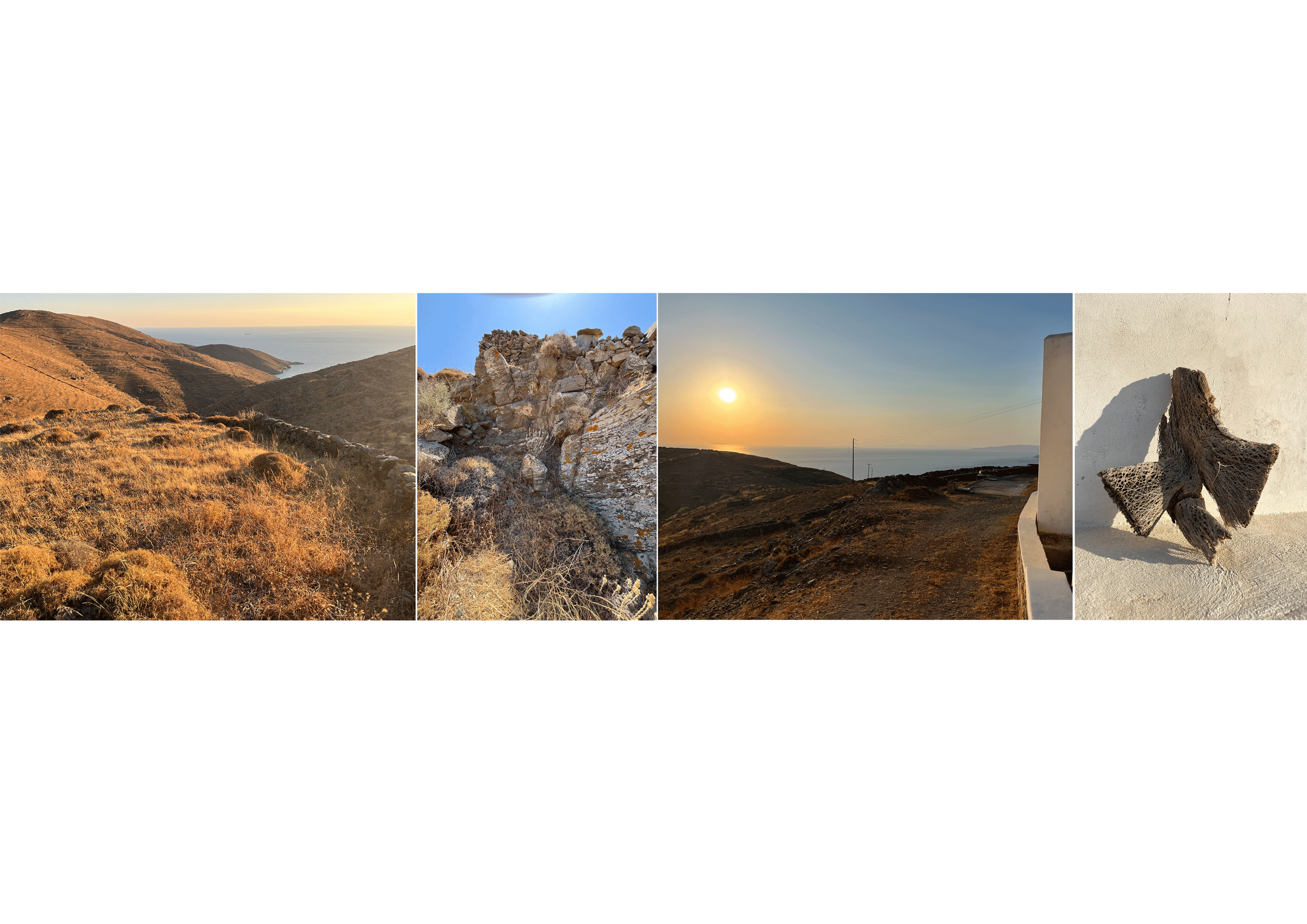
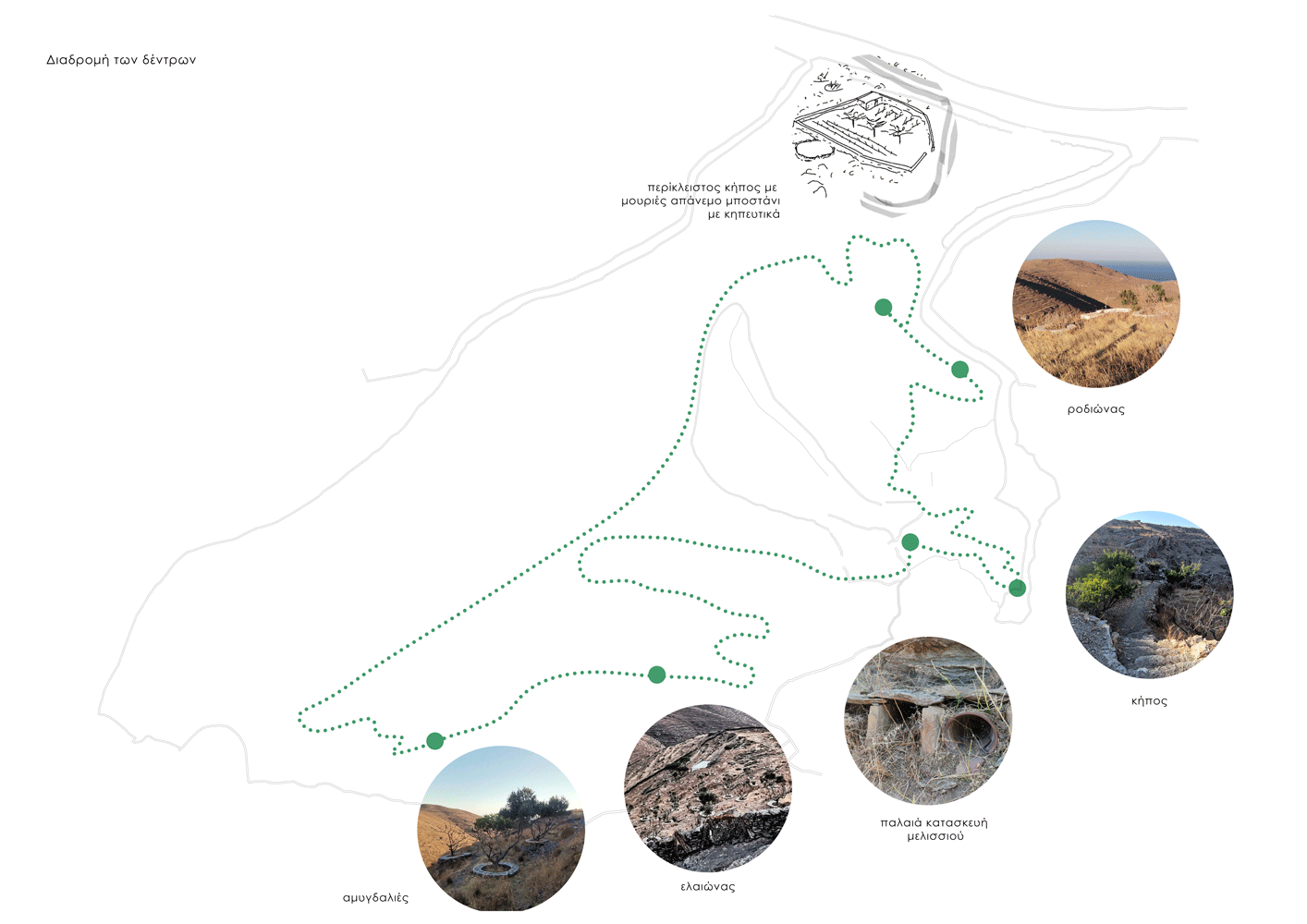
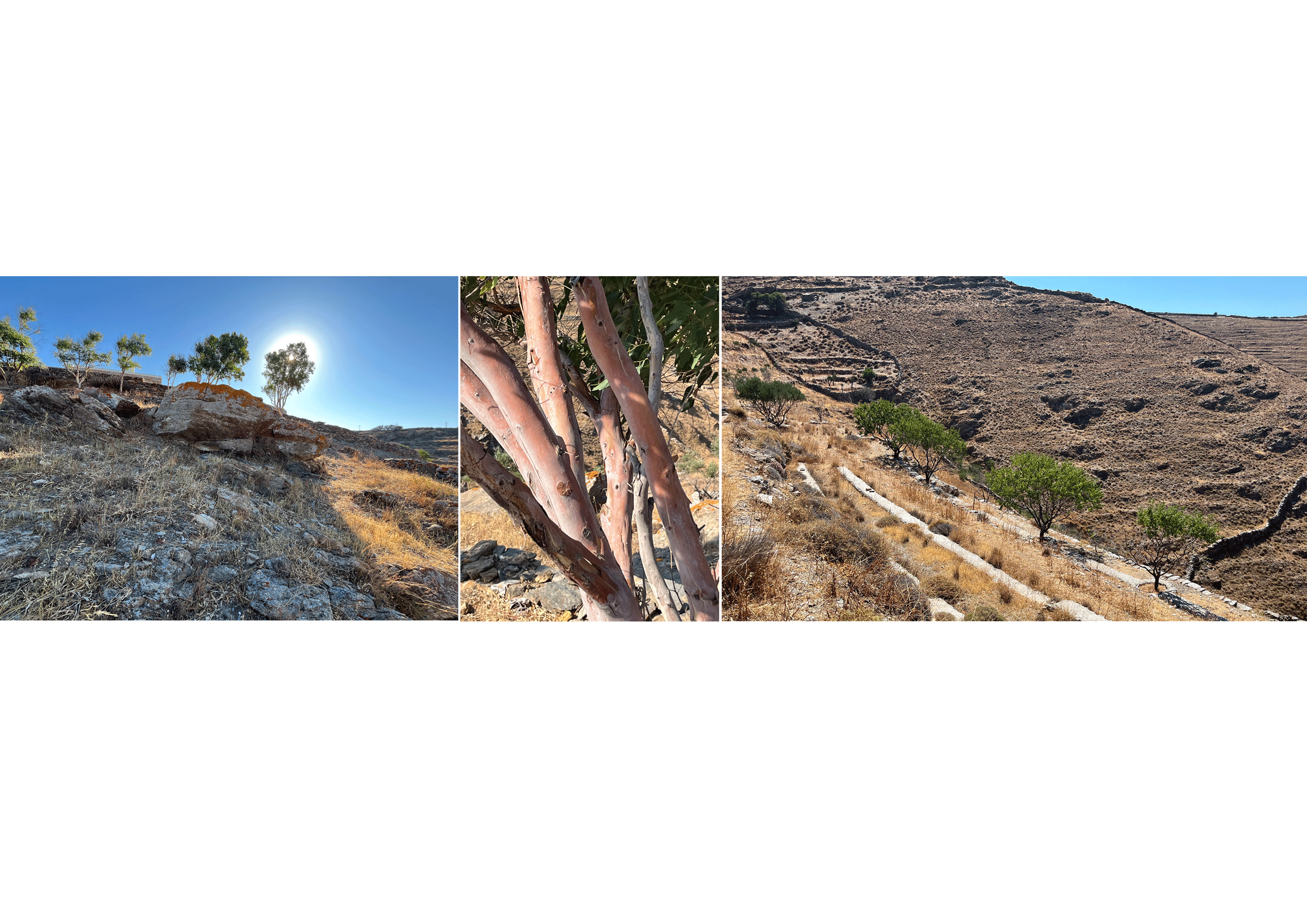
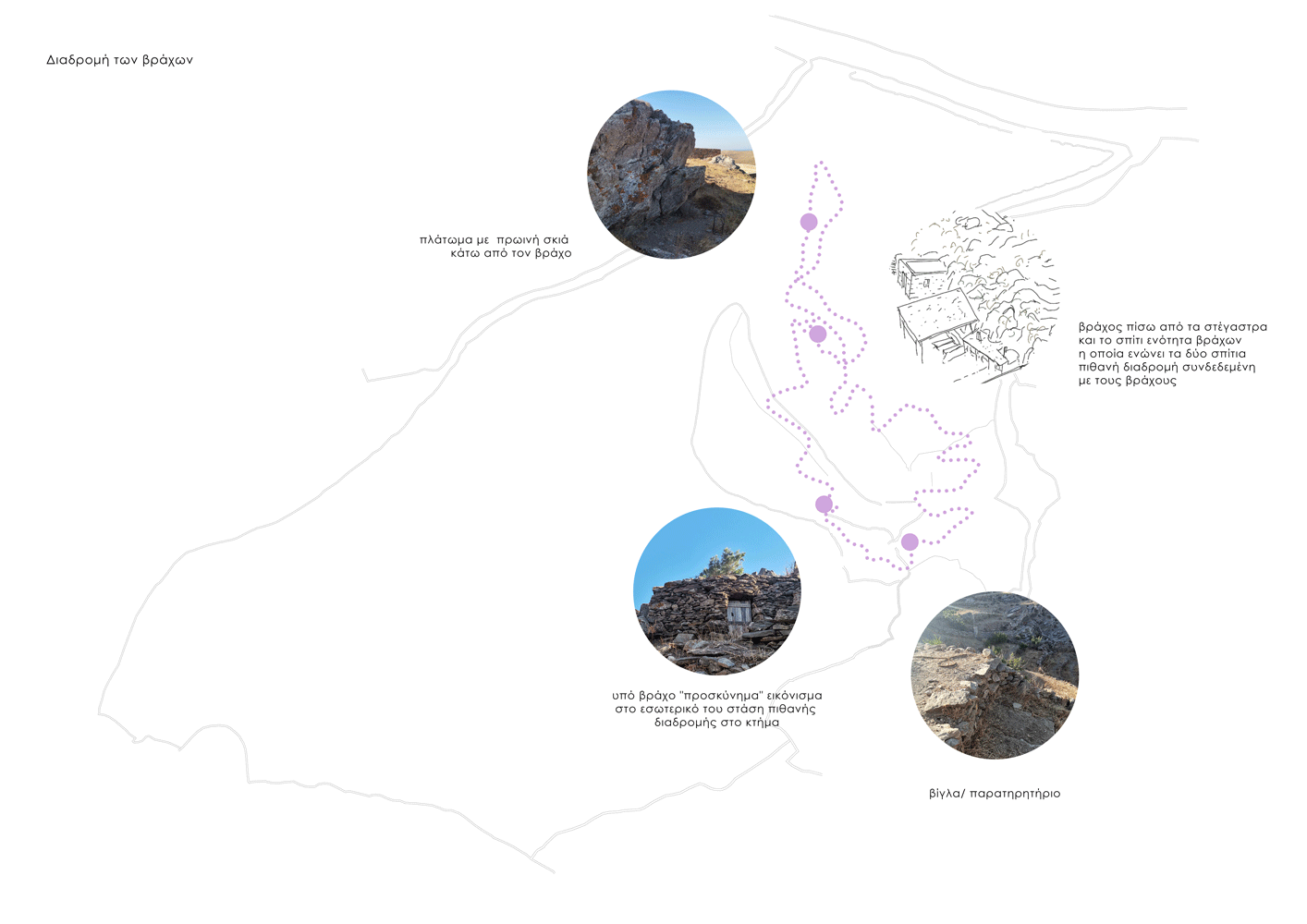
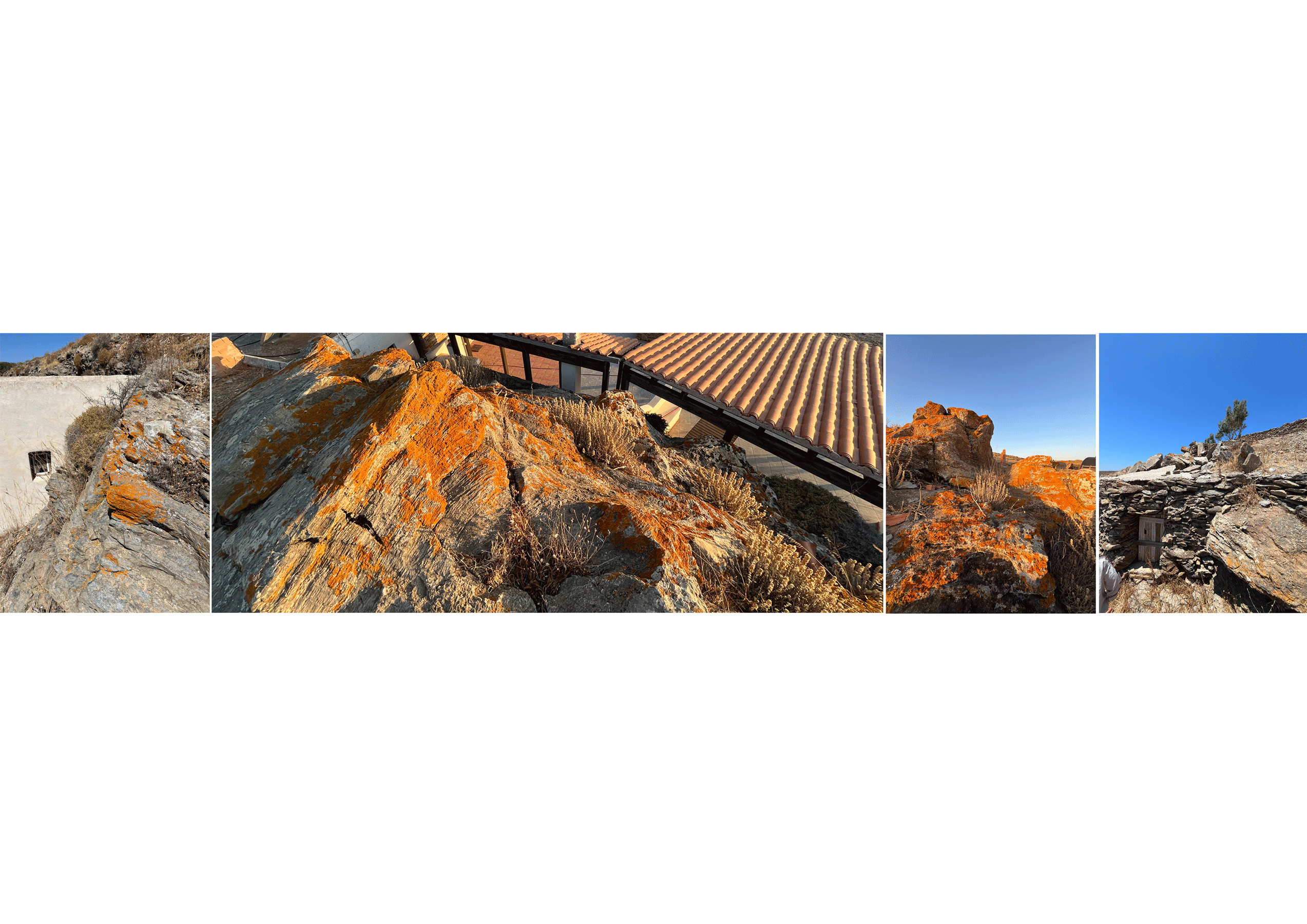
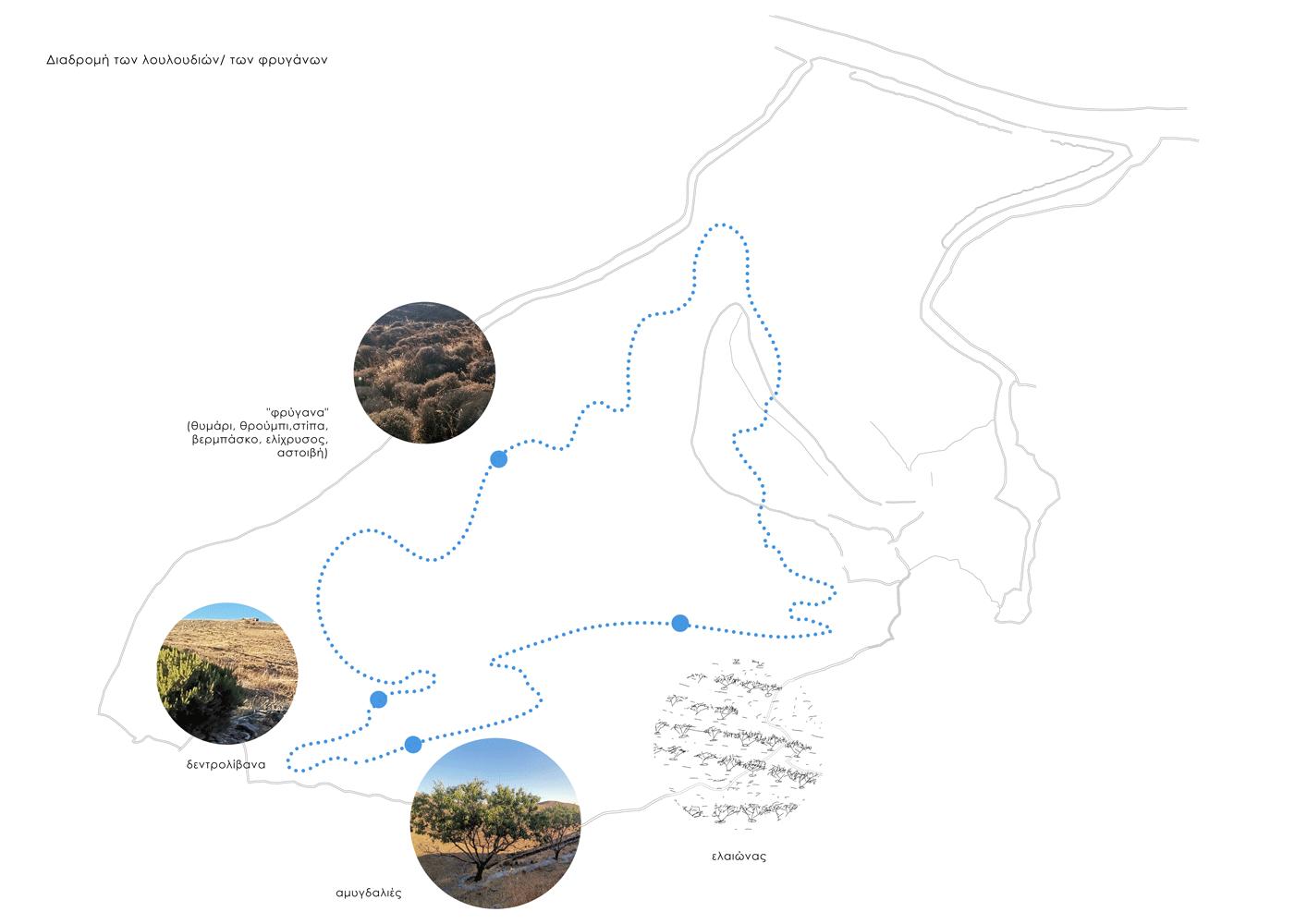
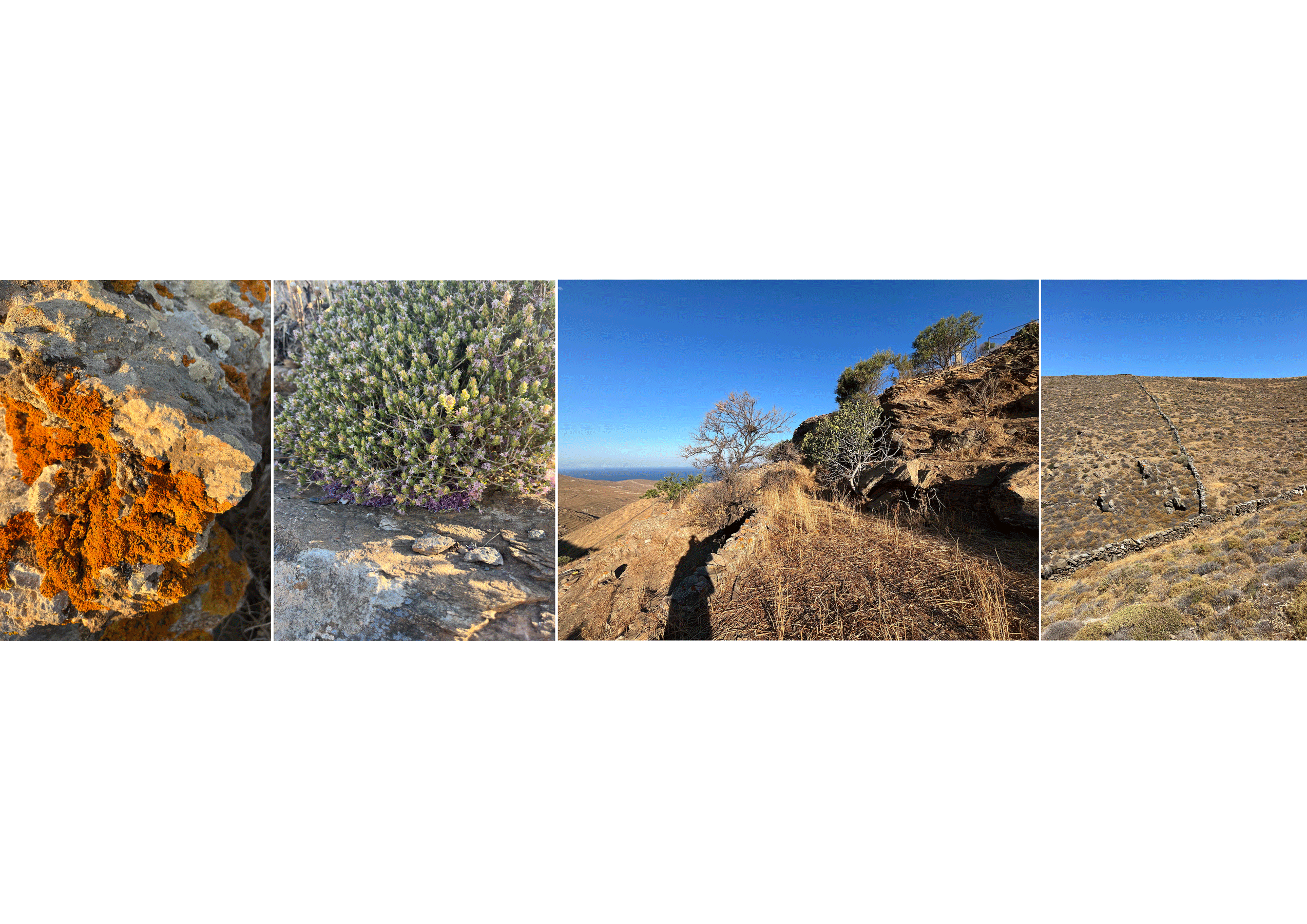
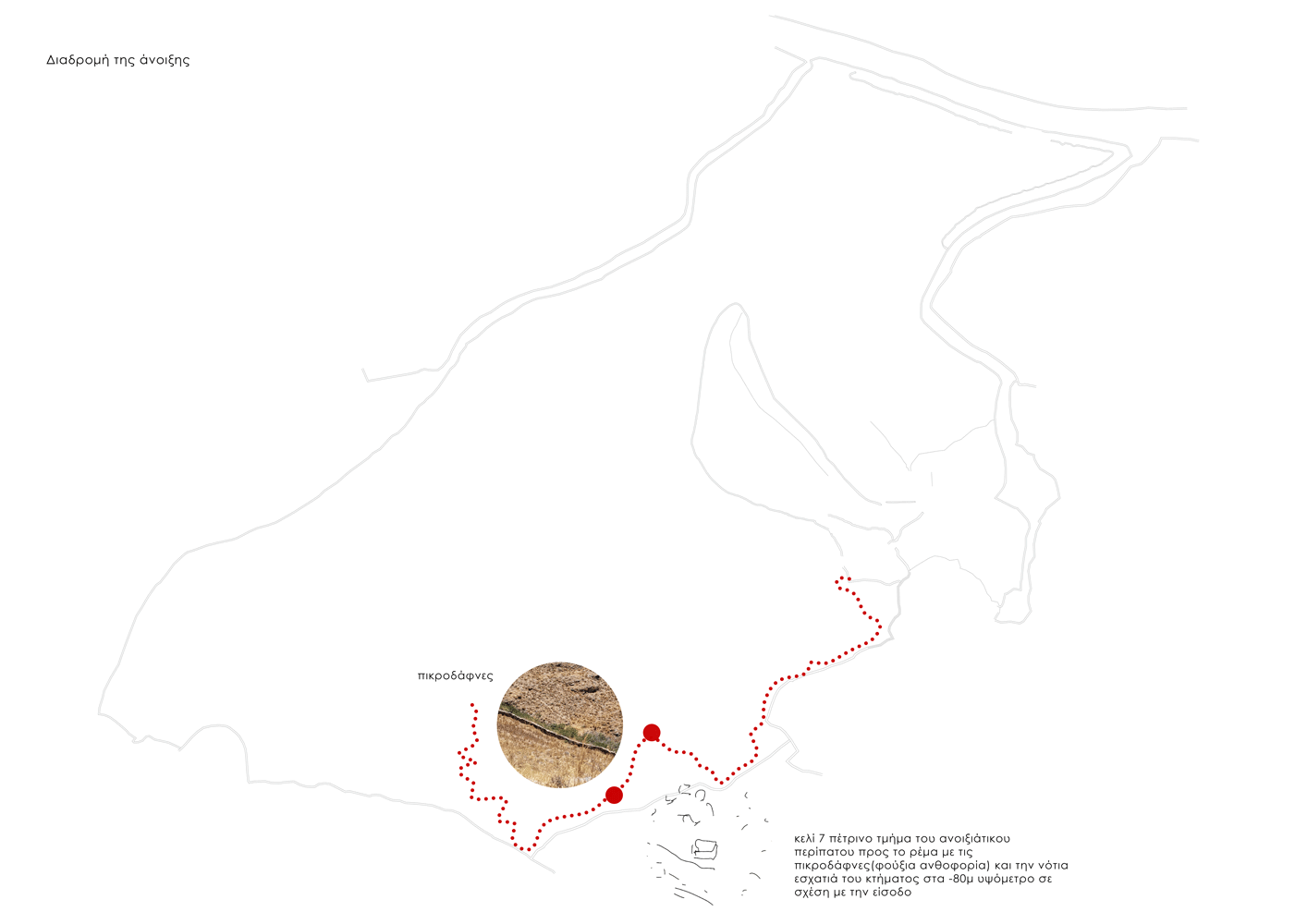
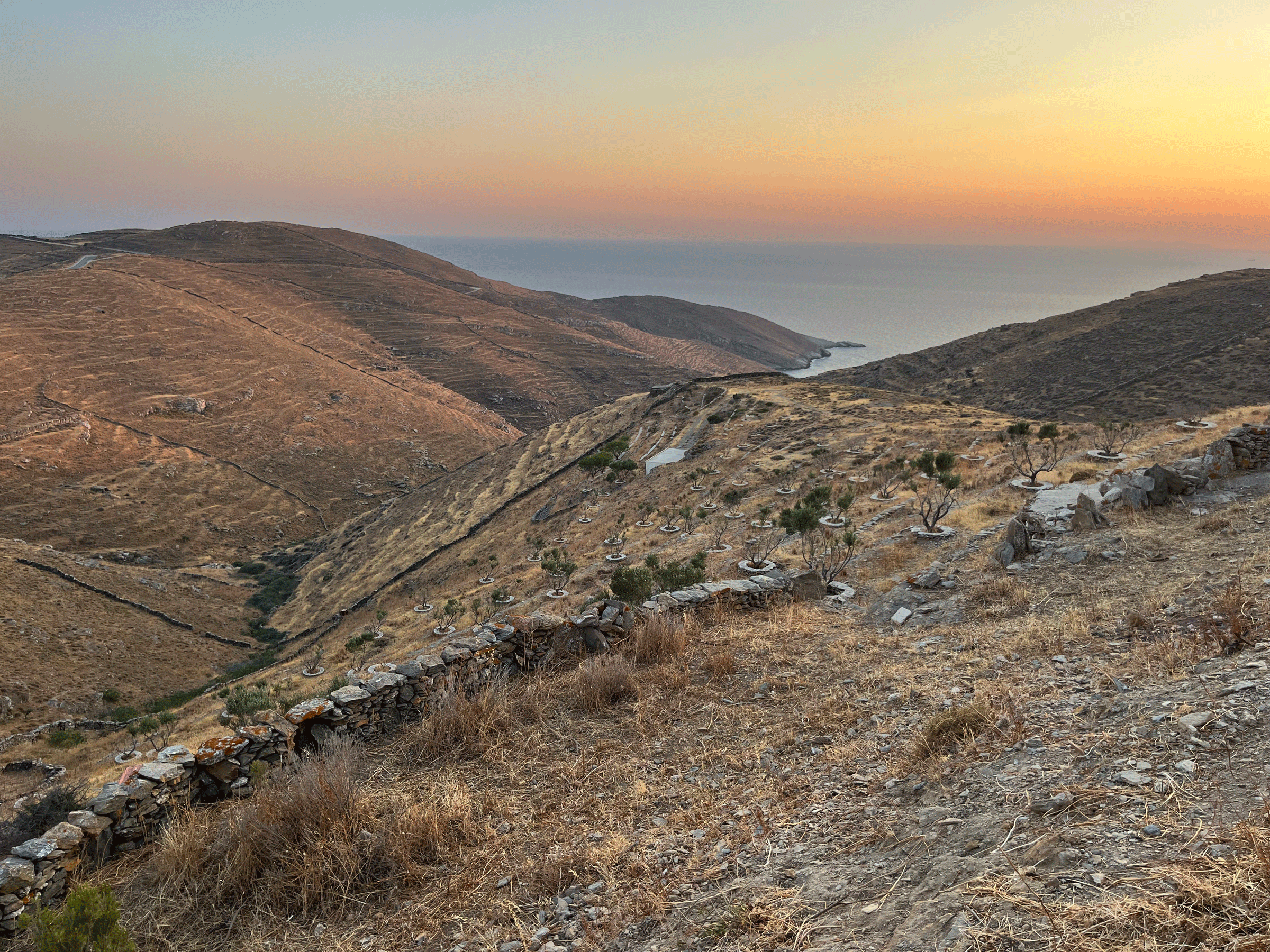
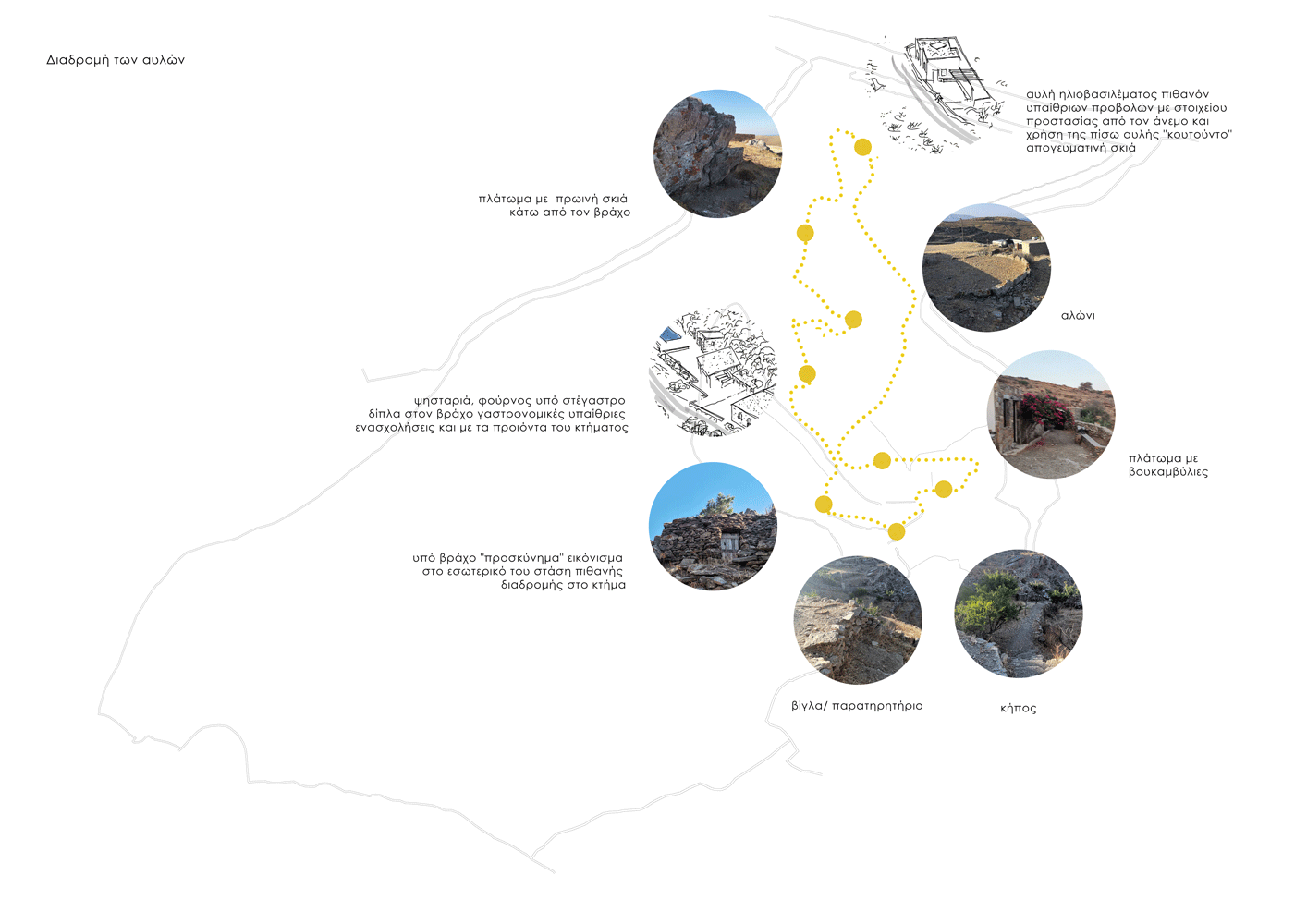
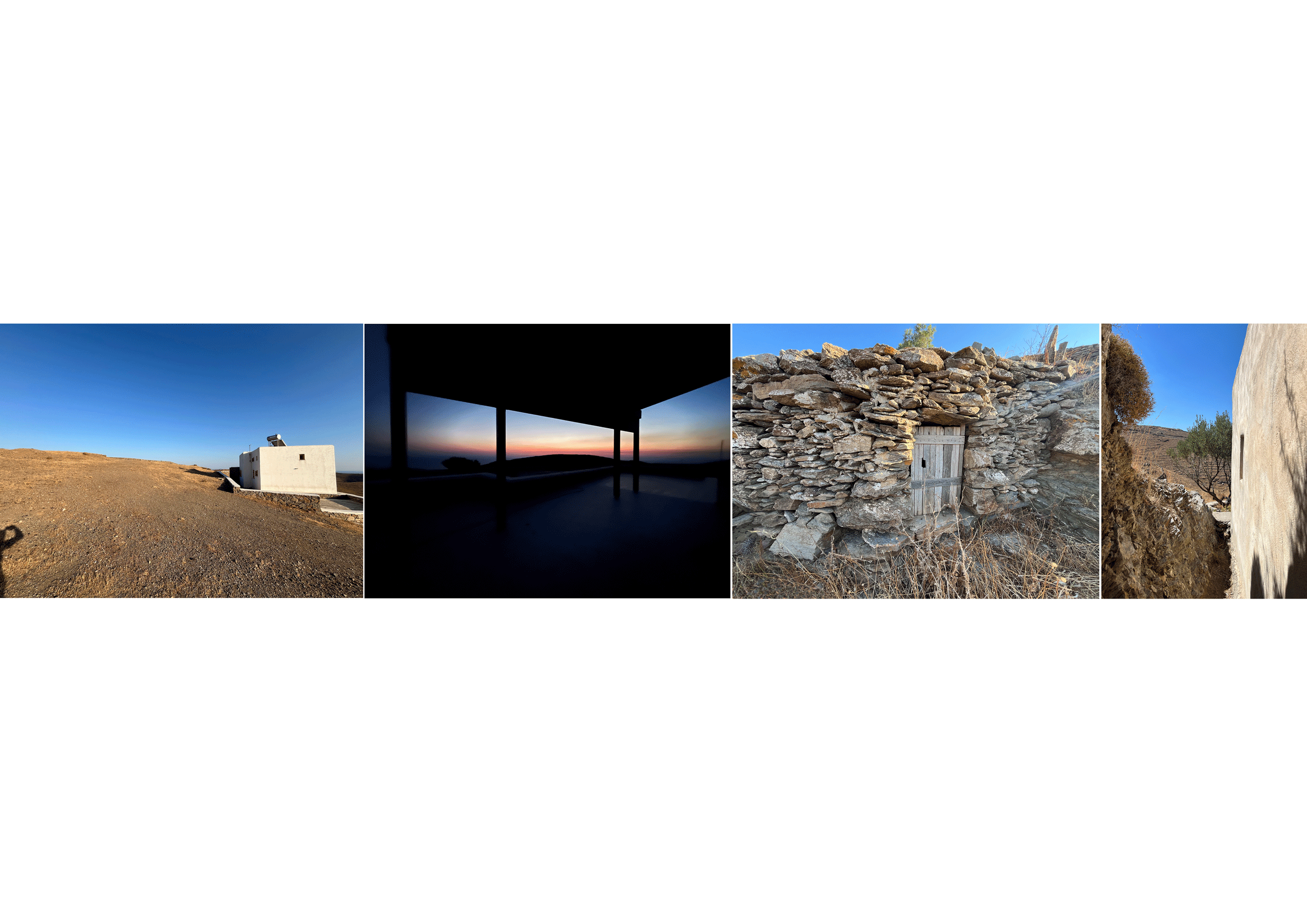
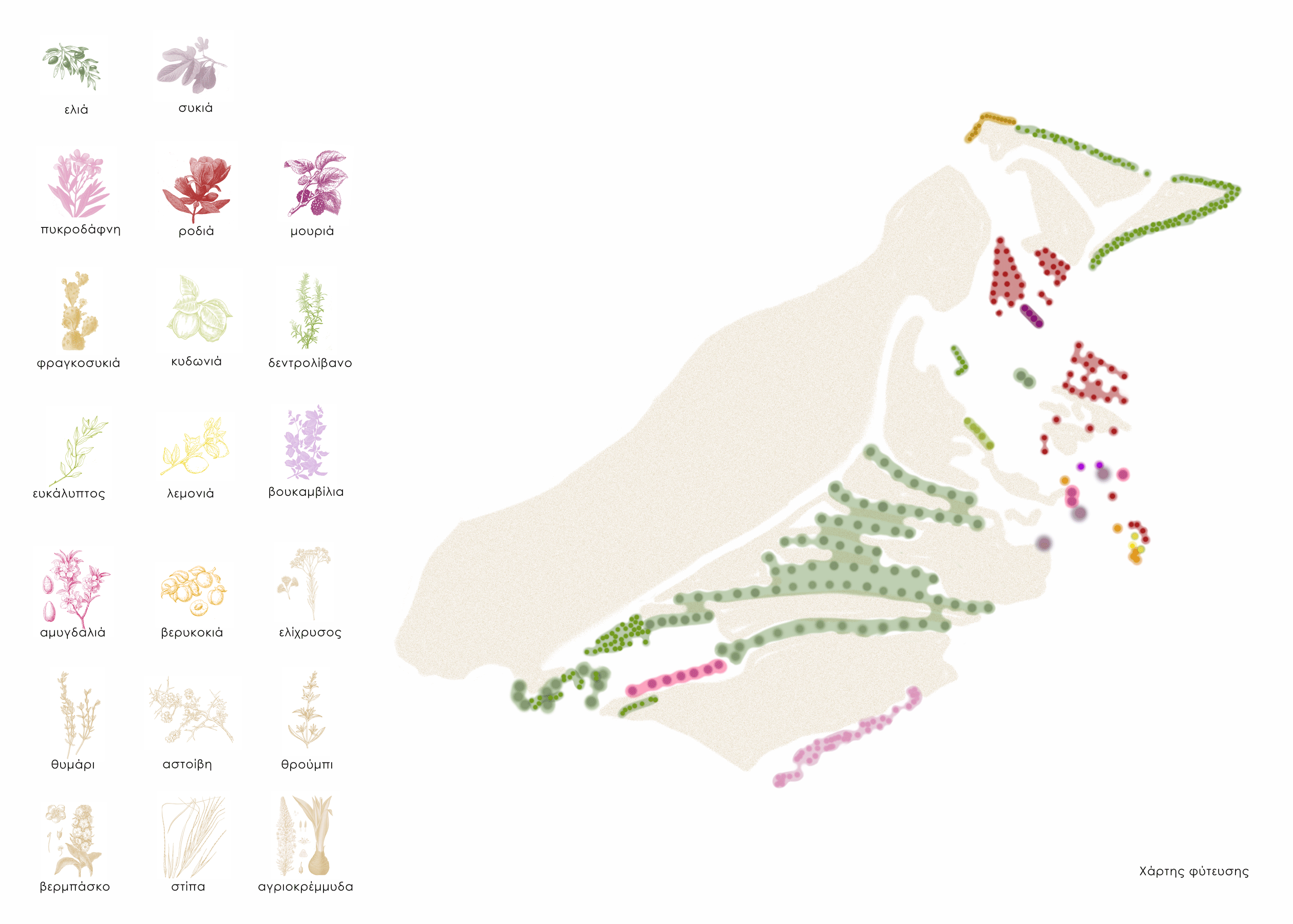
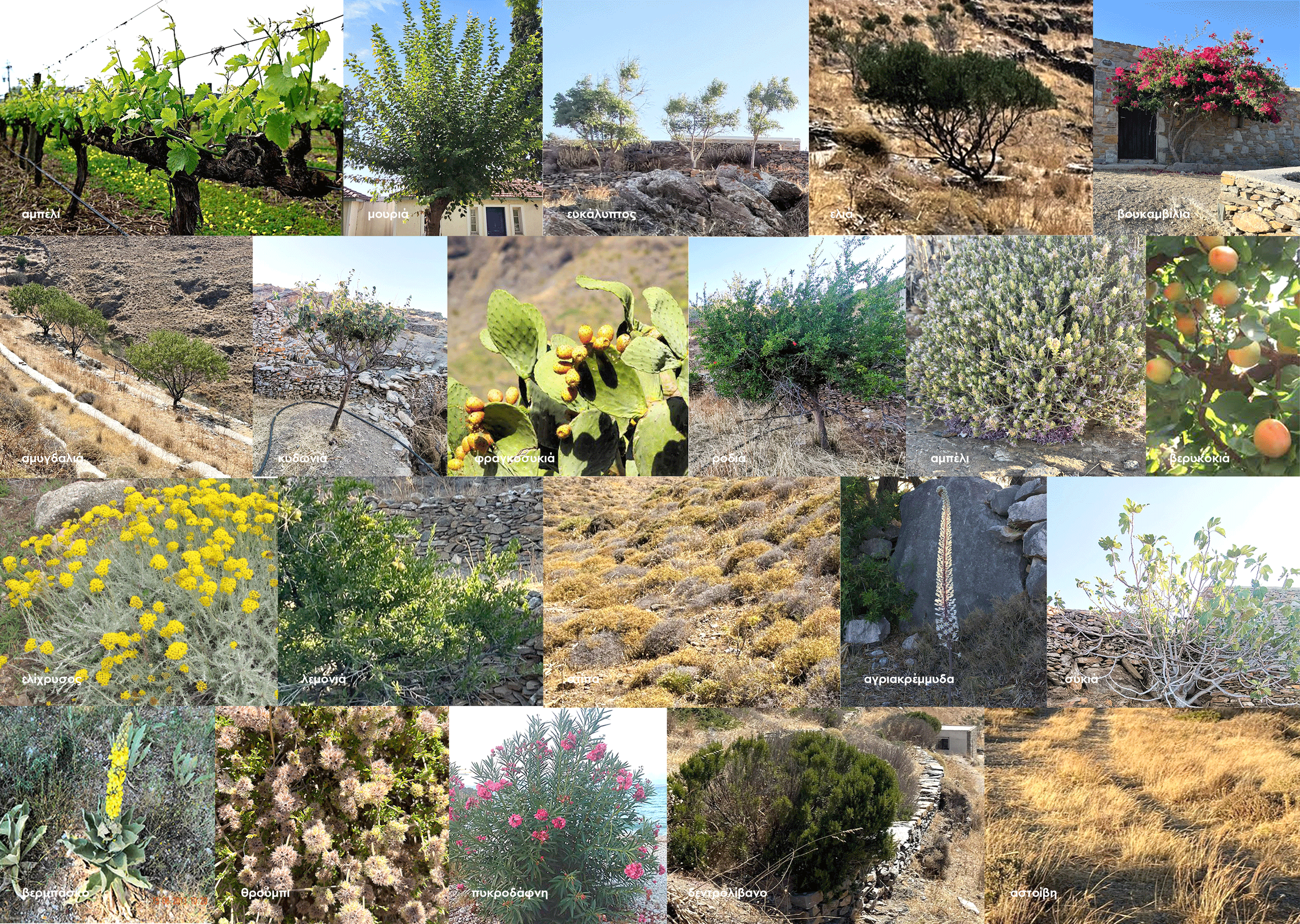
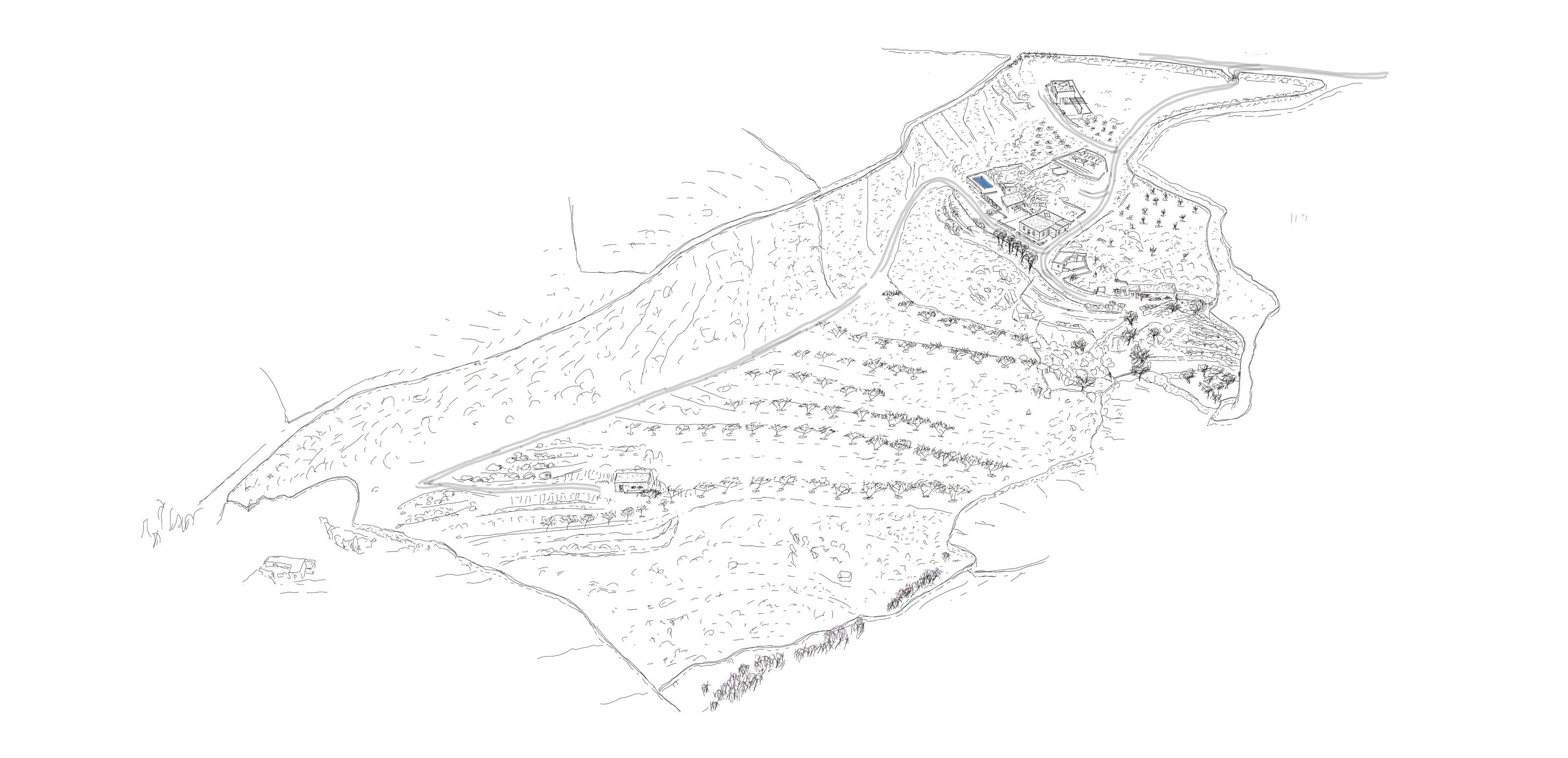
Το κτήμα αυτό στις πλαγιές ενός νησιού, φέρει αποτυπωμένες τις ιστορίες των προηγούμενων ανθρώπων που το καλλιέργησαν και το κατοίκησαν. Μια ιστορία εξημέρωσης του άνυδρου και βραχώδους κυκλαδίτικου περιβάλλοντος. Παλιά πέτρινα κελιά, τυπικές αγροτικές κατασκευές στέκουν δίπλα σε πρόσφατα καταλύματα μερικών δεκαετιών. Πέτρινες διαμορφώσεις συγκρατούν το λίγο χώμα για να υποστηρίξουν μικρούς ροδώνες, ελαιώνες, αμπέλια και φρουτόδεντρα (κυδωνιές, βερικοκιές, λεμονιές κ.α.). Το νερό συλλέγεται με φροντίδα από εκτεταμένες επιφάνειες συλλογής -ταράτσες, αυλές, πλαγιές- μέσα από κανάλια σε δεξαμενές διάσπαρτες στο κτήμα, ώστε να συντηρήσει τη νέα χλωρίδα και τα μελίσσια. Η επαναπροσέγγιση του τοπίου συμβαίνει μέσα από διαδρομές σε αυτά τα χειροποίητα / ανθρώπινα συμβάντα πάνω στον βράχο: τις λιθιές, τις φυτεύσεις, τα πλατώματα, τα οικήματα και τις δεξαμενές. Η πρόταση εδράζεται στην επιθυμία της ελάχιστης επέμβασης και της μη προσθήκης άλλων κτισμάτων σε αντίθεση με το συνεχές κτίσιμο που υφίστανται τα νησιά ως θερινοί προορισμοί.
This estate on the hills of a cycladic island bears the imprinted history the people who previously cultivated and ihabited it —a story of taming the arid and rocky landscape. Small old stone dwellings (kelia), typical structures in the fields far from the villages exist next to recent lodgings built few decades ago. Round stone formations support the rare soil for pomegranate-tree gardens, olive groves, vineyards, and fruit trees (quince, apricot, and lemon trees, among others). Water is carefully collected through extensive catchments surfaces -on roofs, patios and slopes- drained throught carefull channels in various cisterns scattered across the estate to sustain the flora and the beehives. The re-approach of this landscape unfold through pathways traversing these handcrafted, human interventions on the rock: the dry-stone walls (lithies), the plantings, the terraces, the buildings, and the cisterns. The proposal is rooted in the desire for minimal intervention and the avoidance of additional structures, standing in contrast to the continuous overbuilding that the islands undergo as summer destinations
Design team: hiboux ARCHITECTURE
Contributors: Zoe Mitsi (architecture student), Giannis Diamantopoulos (architecture student), Eirini Sideri
Year: 2025
Location: Cyclades
Type: Research
Area: 40.000m²
Status: Master plan




![temp002[1]](http://hiboux.gr/hiboux/wp-content/uploads/2011/10/temp0021-375x290.jpg)